


Honduras Pedro Pastor Washed

About This Coffee

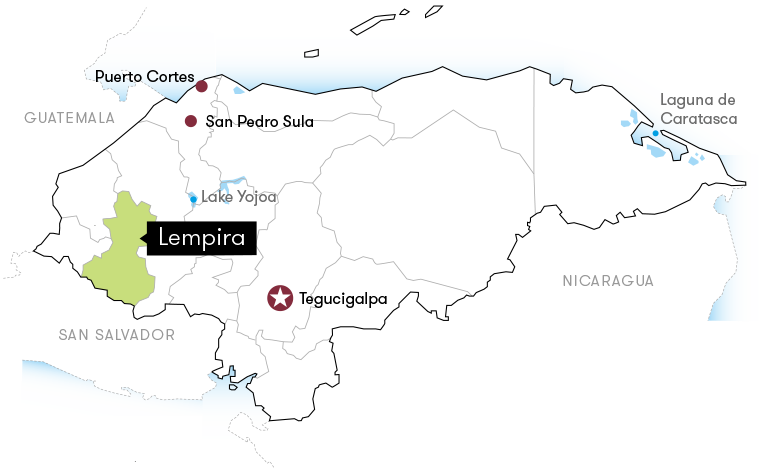
The Region
Curarén is located within the Mesoamerican Dry Corridor, a region characterized by prolonged dry periods and increasing climate variability. Despite these challenges, local farming families have demonstrated remarkable resilience, adapting their practices to conserve water, protect soils, and maintain productive coffee farms. Their determination reflects a deep commitment to sustaining both their livelihoods and their environment.
The community's remote location has fostered a strong sense of solidarity and mutual support. Neighbours frequently collaborate during harvests, community projects, and local celebrations, strengthening bonds that have defined life in the region for generations. Surrounded by mountainous landscapes and native vegetation, coffee producers carefully manage their farms, often integrating shade trees and diversified crops that contribute to the health of the ecosystem.
History of Coffee in Honduras
Prior to 1900, coffee was essentially a garden crop in Honduras, grown on small lots of land and traded within the country for internal consumption. Less than 10 percent of the coffee harvested was exported in 1894. By 1900, exports had more than doubled, but banana was still king. A decline in banana production over the decades coincided with a slow but steady growth in coffee production. Today, Honduras is the largest coffee producer in Central America, exporting more than 5 million bags last year, and is one of the largest exporters of specialty grade coffee.
The Process
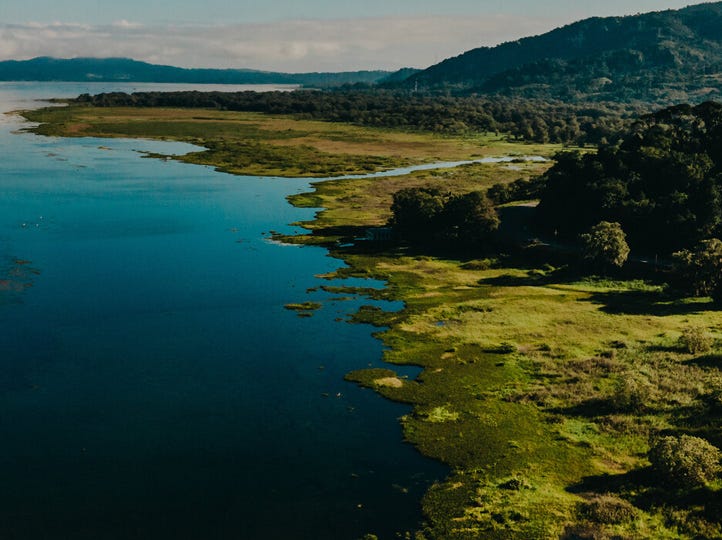
This lot utilises a traditional washed process. Ripe cherries are selectively harvested by hand, floated to sort by density, then depulped. The pulped coffee is fermented without water for 16-18 hours to break down the remaining mucilage and then washed mechanically until completely clean.
The coffee is then dried on specialised patios and raised beds for 8-15 days, depending on the wether.
Growing Coffee in Honduras
Honduras is somewhat unique in that it experienced the most significant growth in export volume after the emergence of the specialty coffee industry, so new farmers and new mills begin with quality as their goal. Coffee is now pervasive in Honduras, grown in 210 of the 298 municipalities and throughout central and coastal highlands within six districts identified as Coffee Regions. Starting in the north and moving south, the regions are Copan, Opalaca, Montecillos, Comayagua, El Paraiso, and Agalta. More than 60 percent of Honduras coffee is grown above 12 hundred meters and as high as 16 hundred. Almost 90 percent of Honduras coffee is grown on small (less than 153 bags) and medium (between 153 and 766 bags) sized farms. Virtually all Honduras coffee (over 90 percent) is washed and sun dried. Plant varieties include Cautuai, Caturra, Bourbon, Typica, and Pacas.
- Subregion Curaren, Francisco Morazan
- Producer Type Single Estate
- Processing Washed
- Plant Species Arabica
- Variety IHCAFE 90, Lempira, Parainema
- Min Growing Altitude 1350m
- Max Growing Altitude 1600m
- Screen Size 15 Up
- On Sale No
- Top Lot No
- Price Per Kg £10.95
- Status Spot
- Coffee Grade HND CA WA SHG
- CTRM Contract Number P8003295-1
- Origin Honduras
- Warehouse Vollers Group Uk